1998: The Surface of Diplomacy, the Depth of History
In 1998, President Jiang Zemin paid a state visit to Japan. On the surface, the visit concerned protocol, regional stability, and the resumption of bilateral relations. Beneath that surface, it touched the question that the modern history of East Asia has never been able to step past: how is the memory of war to be acknowledged, how is the responsibility of a state to be put into words, and where is the dignity of the victims to be set down?
Ambassador Saito’s “Deep Remorse”
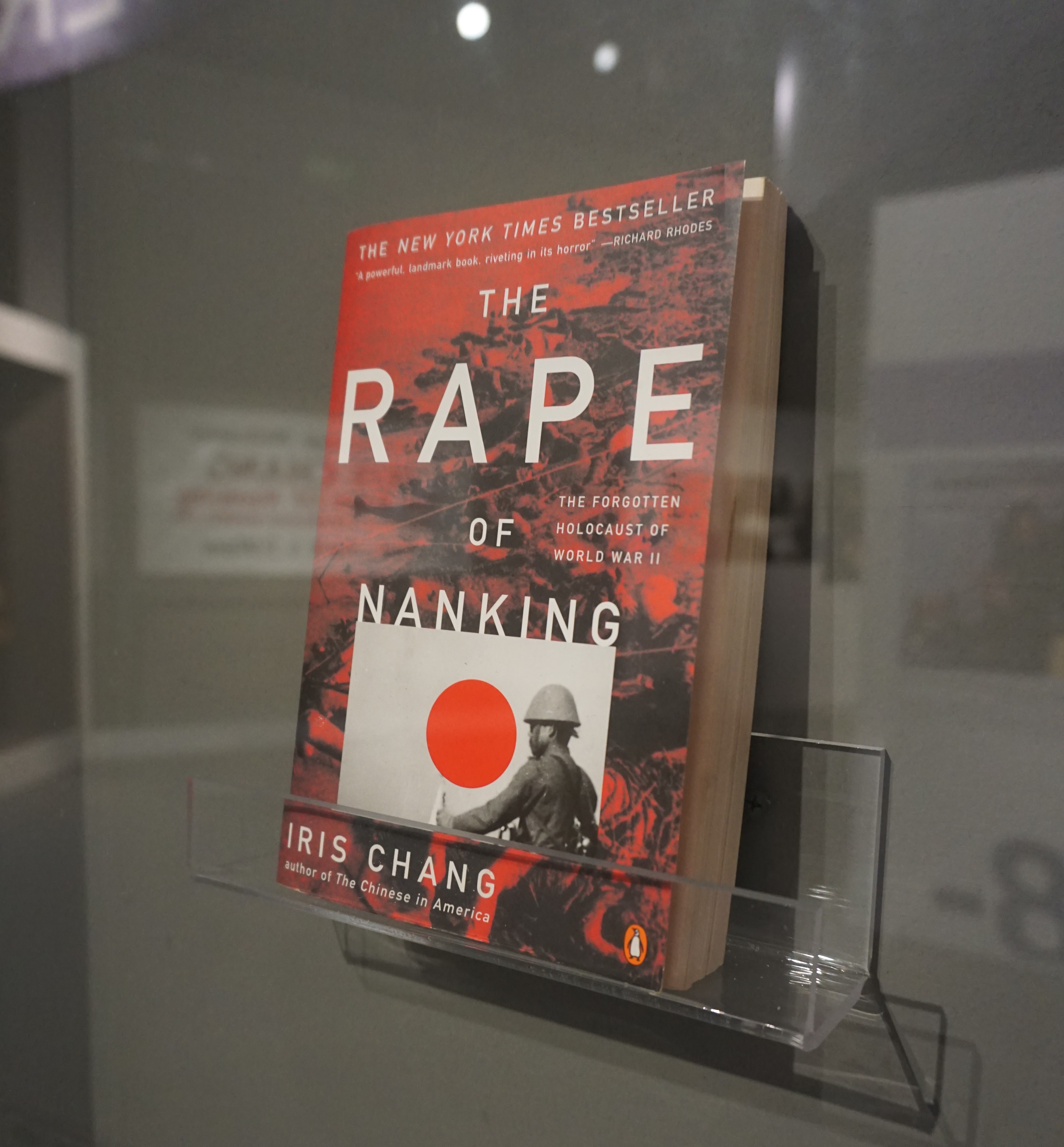
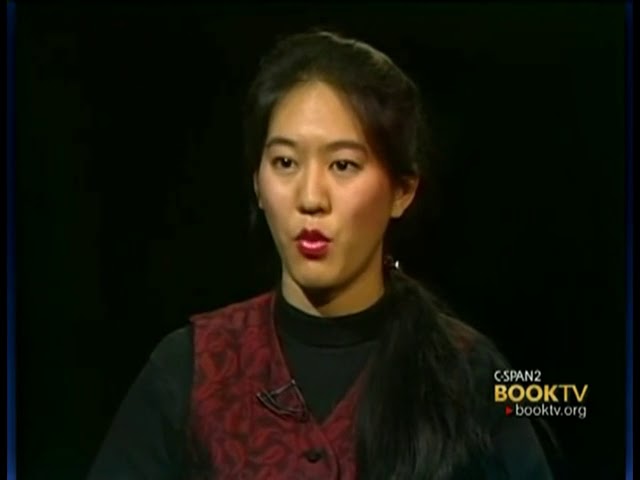
In this rare interview, the Japanese Ambassador to the United States, Kunihiko Saito, argues that the Japanese government has already, in various forms, expressed its “deep remorse” and its “regret,” and that there is no real difference between a spoken apology and one set down in writing. To this, the author of The Rape of Nanking: The Forgotten Holocaust of World War II, Iris Chang, offers a calm, restrained, and altogether penetrating reply.
The Weight of a Single Word
What Iris Chang places under question is not merely the choice of words in a diplomatic document, but the sincerity, the boundary, and the responsibility of a state when it stands before its own history. For the survivors of the Nanking Massacre, for the victims of war, and for those who came after them, the word apology is not a technical arrangement of diplomatic language; it is an irreplaceable moral acknowledgment — that atrocity will not be softened, that responsibility will not be diluted, that memory will not be set down within ambiguous rhetoric.
The reason this exchange continues to carry weight is that it lays bare a long-standing reality within the East Asian process of reconciliation: a history that has not been clearly acknowledged becomes, in the end, a cost of trust borne across the generations; a friendship without a clear sense of responsibility cannot truly cross the memory of victims and of those who follow them.
Reticence Is No Substitute for Acknowledgment
Iris Chang’s question, on the programme, is not raised in heat — and yet it cuts cleanly: if the regret is sincere, why is the word apology still so difficult to set down with the gravity it deserves?
This is not only a televised conversation about Sino-Japanese relations; it is a public reckoning over language, responsibility, and the dignity of history. It reminds us that the future between nations is not shaped by trade, investment, and strategic interest alone, but by how they face the past, how they name the truth, and how they answer those who were ground beneath history and have still not been heard in full.
History does not vanish through reticence; wounds do not close on their own with the passing of time. Real reconciliation begins in honesty; real dignity comes from acknowledgment that is plain, and does not turn aside.