Congressional Record
108th Congress · House of Representatives
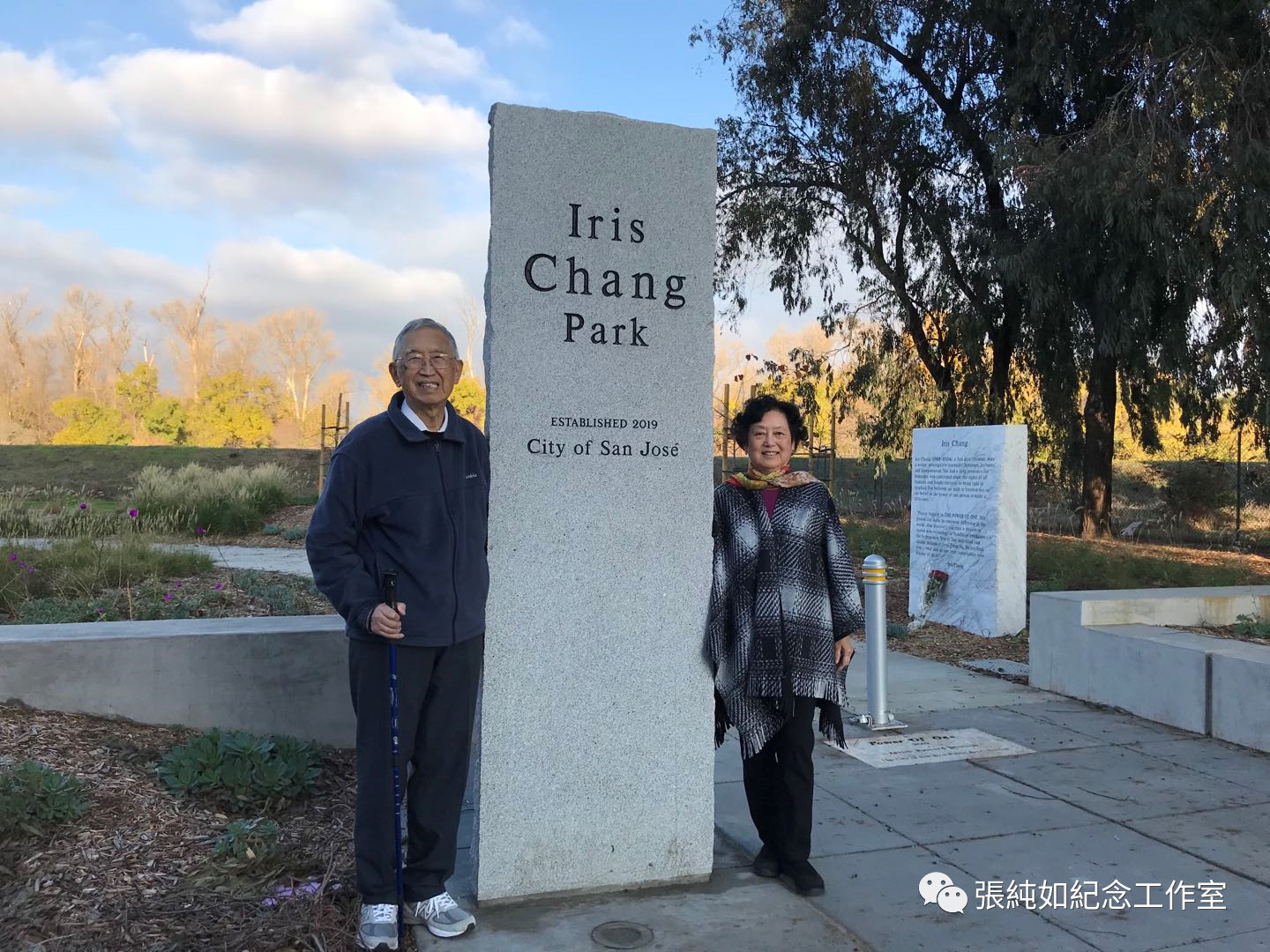
A Tribute to Iris Chang
November 17, 2004
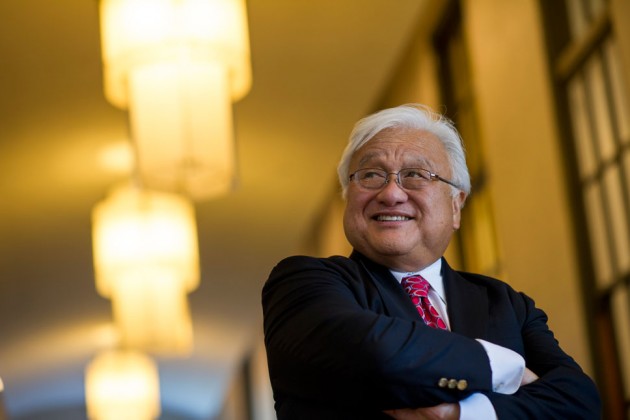
Hon. Michael M. Honda, Representative from California
Mr. Speaker, today I rise to honor the memory of Iris Chang — a courageous historian and writer, a defender of the history of Asia and Asian Americans, of human rights, and of the historical record itself. In a brief but extraordinary career, she gave voice to the wrongs and the cruelties that history had forgotten or had been content to overlook, and she moved the hearts of countless readers. In her private life, she was a devoted wife and mother, a close friend, and an example to many. Iris Chang is survived by her husband, Dr. Brett Lee Douglas; her son, Christopher Douglas; her parents, Shau-Jin Chang and Ying-Ying Chang; and her brother, Michael Chang.
Iris Chang was born on March 28, 1968, in Princeton, New Jersey. She studied journalism at the University of Illinois and then earned a master’s degree in science writing at Johns Hopkins University. While at Hopkins she devoted herself to a study of Tsien Hsue-shen — the Chinese-American scientist who, during the Cold War of the 1960s, was deported back to China amid the political fear of communism, and who would go on to found China’s missile program. That research became the foundation of her widely praised first book, Thread of the Silkworm: The Life of Tsien Hsue-shen, a careful account of the paranoia and the racial prejudice of the McCarthy era.
As a historian and a public advocate, Iris Chang spent her life in pursuit of historical justice and reconciliation. Her book The Rape of Nanking: The Forgotten Holocaust of World War II set down, in detail, the atrocities the Japanese army committed in Nanjing in 1937, and became a major source of public education about the Japanese army’s wartime crimes — crimes whose violation of human rights had, for decades, been left unrecorded or unacknowledged. She actively pressed for redress on behalf of the Nanjing victims, which brought her into open conflict with the Japanese government and certain organizations — but none of this could shake her commitment to justice and to truth.
Her most recent book, The Chinese in America, is a documentary work that traces the feelings, the perspectives, and the lived experiences of the Chinese-American community. A few weeks ago, East West Bank donated four hundred and twenty copies of The Chinese in America to schools across California, in order to spread understanding of the historical challenges Chinese Americans have faced.
Beyond the books in which she pressed both American and international society on the historical and social wrongs done to Asians and Asian Americans, Iris Chang served as a member of the Committee of 100 — a national, nonpartisan organization of Chinese-American leaders devoted to the major issues facing the Chinese-American community. For her work, she was awarded the John D. and Catherine T. MacArthur Foundation’s Award for Peace and International Cooperation. She was also named Woman of the Year by the Organization of Chinese American Women.
We will remember Iris Chang’s record and her remarkable contribution to the Asian-American community. The millions of people moved by her writing and her activism will never forget the moral seriousness with which she confronted the injustices of history; nor her lifelong work for peace among peoples of different origins; nor the public influence that work has had. Iris Chang carried a strong pride in her Chinese-American heritage — a pride that stirred those around her, that made the case that, no matter what one’s ancestry, one can be a true American. With Iris Chang’s passing, our Asian-American community has lost a model and a dear friend; and the world has lost one of the most outstanding and most passionate advocates ever to have stood up for social and historical justice.
(Translated by Chen Xin, reviewed by Ma Haining and Yang Hui.)